Why You Should Consider a Backup Generator
Power outages can happen without warning. Severe weather, equipment failures, overloaded electrical grids, and accidents can all leave homes and businesses without electricity for hours or even days. In a world where so many daily activities depend on reliable power, losing access to electricity can quickly become more than a minor inconvenience. Investing in backup generators is one of the most effective ways to prepare for unexpected outages and maintain comfort, safety, and productivity when the power goes out.
Whether you own a home, manage a business, or oversee a commercial property, understanding the value of backup generators can help you make a more informed decision about protecting your property and the people who rely on it.
Learn What Backup Generators Do
A backup generator is a device designed to provide electrical power when the primary power source becomes unavailable. Most generators operate by converting mechanical energy into electrical energy through an engine and alternator system. When utility power is interrupted, the generator supplies electricity to selected circuits or an entire building, depending on its size and configuration.
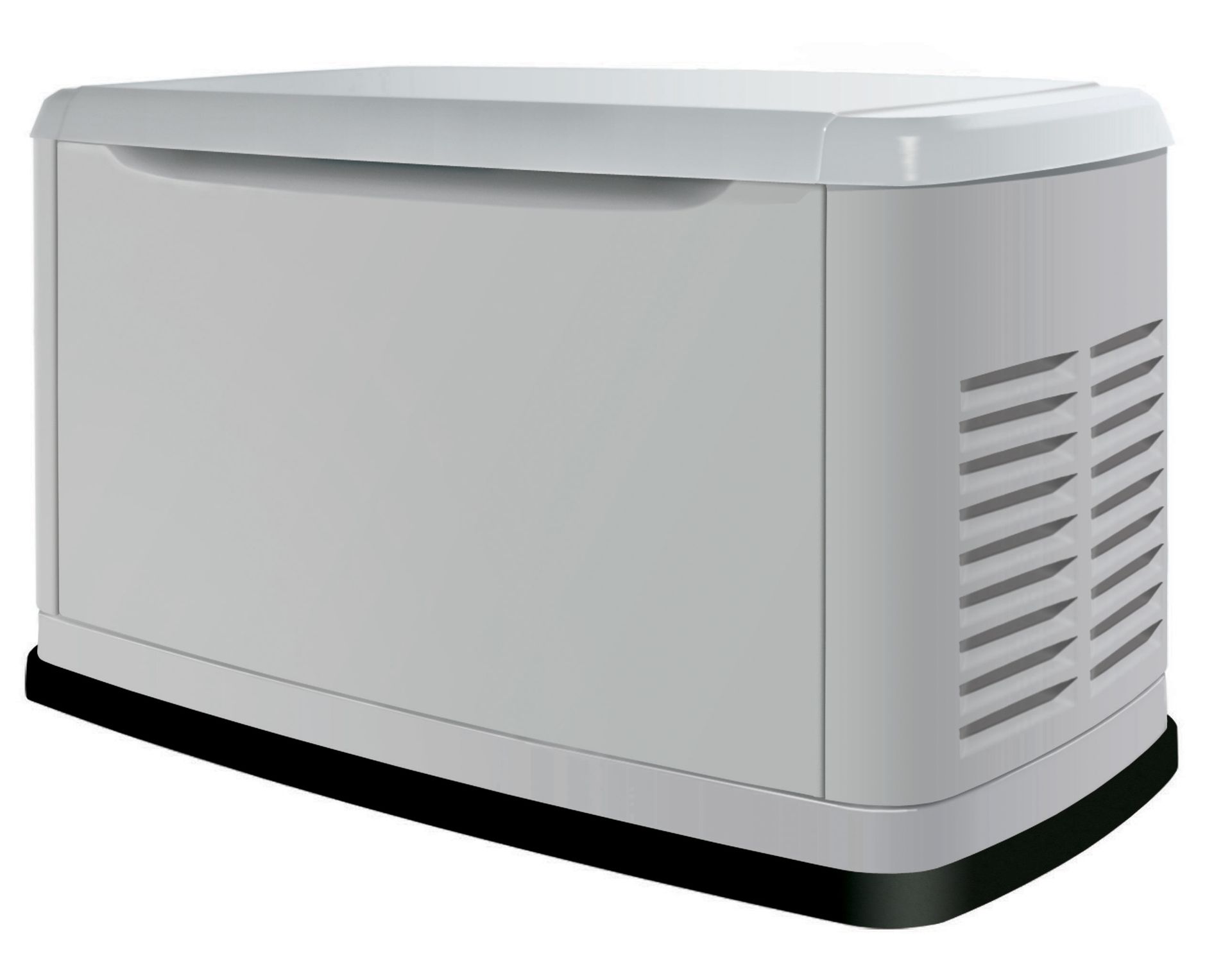
Backup generators are available in a variety of sizes and styles. Portable models can be moved and connected manually when needed, while standby systems are permanently installed and activate automatically during an outage. Standby units are commonly connected to natural gas or propane fuel supplies, allowing them to provide uninterrupted power for extended periods.
The basic operation is relatively straightforward. When a power interruption occurs, the generator detects the outage and begins producing electricity. An automatic transfer switch safely disconnects the building from the utility grid and transfers electrical loads to the generator. Once utility service is restored, the system switches back to normal power and shuts down the generator.
Modern backup generators are designed with advanced controls, safety features, and monitoring systems that make them dependable and user-friendly. Many homeowners appreciate the convenience of automatic operation, especially during storms or emergencies when quick access to power is essential.
Recognize Why Backup Generators Matter
There are many situations in which backup generators can prove invaluable. Weather-related outages are among the most common reasons people invest in emergency power systems. Hurricanes, thunderstorms, snowstorms, high winds, and ice accumulation frequently damage utility infrastructure, causing widespread interruptions.
For homeowners, a prolonged outage can affect heating and cooling systems, refrigeration, lighting, internet access, and essential appliances. Families may struggle to maintain comfort and safety when temperatures become extreme. Food spoilage can also lead to unnecessary expenses.
Businesses often face even greater risks when power is lost. Retail stores, restaurants, offices, healthcare facilities, and manufacturing operations depend on electricity to serve customers and maintain operations. Downtime can result in lost revenue, reduced productivity, and damaged customer relationships.
Remote workers have also become increasingly dependent on reliable electricity. Internet connectivity, computers, communication tools, and security systems all require power to function. Backup generators help ensure that work can continue even during unexpected outages.
In addition to weather events, power disruptions can occur because of utility maintenance, equipment malfunctions, vehicle accidents involving power poles, or increased demand on electrical grids. These events can happen at any time, making preparedness an important consideration for both residential and commercial property owners.
Discover the Benefits of Backup Generators
The benefits of backup generators extend far beyond simply keeping the lights on. One of the most significant advantages is energy security. Knowing that your property can continue operating during an outage provides confidence and stability during uncertain situations.
Safety is another important benefit. During extended outages, essential systems such as sump pumps, security systems, smoke detectors, and medical equipment may require continuous power. Backup generators help ensure that these critical devices remain operational when they are needed most.
Convenience also plays a major role. Without a backup power source, people often need to adjust daily routines dramatically during an outage. Refrigerators stop working, heating and cooling systems shut down, and electronic devices cannot be charged. Backup generators minimize these disruptions by maintaining access to essential services.
For businesses, backup power can help prevent costly interruptions. Maintaining operations during an outage may preserve revenue streams, protect inventory, and reduce productivity losses. In industries where continuous operation is critical, reliable backup power can be a valuable investment.
Property protection is another often-overlooked advantage. Frozen pipes, flooded basements, and spoiled inventory can all result from extended outages. Backup generators help reduce the likelihood of these issues by keeping critical systems functioning properly.
Many property owners also appreciate the peace of mind that comes with being prepared. Rather than worrying about the next storm or utility failure, they can feel confident knowing they have a dependable source of emergency power available.
Evaluate Which Backup Generator Fits Your Needs
Choosing among available backup generators requires careful consideration of several factors. One of the first steps is determining how much power you need. Some homeowners only want to operate essential appliances and systems during an outage, while others prefer whole-house coverage.
Power requirements are typically measured in watts. Calculating the combined electrical demand of the devices you wish to operate will help determine the appropriate generator size. Working with a qualified professional can simplify this process and help avoid undersized or oversized equipment.
According to Consumer Reports, residential backup generators are ideally sized between approximately 5,000 and 20,000 watts. The organization also notes that installation costs do not differ significantly between smaller and larger units, making it worthwhile to choose a generator capable of meeting both current and future household power needs.
Fuel type is another important consideration. Many backup generators operate on natural gas, propane, diesel, or gasoline. Each option offers different advantages related to availability, operating costs, storage requirements, and maintenance needs.
The location of installation should also be evaluated carefully. Permanent standby systems require adequate outdoor space, proper ventilation, and compliance with local building codes. Professional installation helps ensure safe and efficient operation.
Budget considerations naturally play a role as well. While it may be tempting to focus solely on upfront costs, it is important to consider long-term value, reliability, maintenance requirements, and expected lifespan when making a decision.
Consider the Costs of Backup Generators
The costs associated with backup generators can vary significantly depending on system size, fuel type, installation requirements, and desired features. Understanding these expenses can help property owners budget effectively and evaluate the return on investment.
The initial purchase price is typically the largest expense. Portable generators generally cost less than permanently installed standby systems, but they may offer fewer capabilities and require manual operation. Standby generators involve higher upfront costs but provide greater convenience and coverage.
Installation expenses are another important factor. Professional installation may include electrical work, transfer switch installation, fuel line connections, permits, and site preparation. These costs can vary based on property layout and local regulations.
Routine maintenance should also be considered. Like any engine-powered equipment, backup generators require periodic servicing to maintain reliability and performance. Maintenance may include oil changes, filter replacements, inspections, and testing.
Fuel costs represent an ongoing operating expense. The amount spent on fuel will depend on generator size, fuel type, operating hours, and local fuel prices. Fortunately, many standby systems are designed for efficient operation and can provide extended runtime when properly maintained.
Prepare for Power Interruptions With Confidence
Power outages can disrupt daily life, impact business operations, and create unexpected challenges when least anticipated. Backup generators offer a practical solution by providing reliable electricity during emergencies and helping maintain essential systems when utility power is unavailable. By understanding how backup generators work, recognizing their benefits, selecting the appropriate system, and planning for associated costs, property owners can make informed decisions that enhance preparedness and peace of mind. Investing in a dependable backup power solution today can help ensure greater security and convenience whenever the next outage occurs. If you're considering a backup generator, reach out to the team at PBCI-Allen Mechanical & Electrical today!





Share On: