12 Signs You Need a New Water Heater
When your home loses hot water, daily routines grind to a sudden halt. Showers turn icy, dishes remain dirty, and laundry piles up quickly. Understanding when your plumbing system is failing helps you avoid these stressful household disruptions.
Many homeowners overlook early warnings until total system failure occurs. Paying close attention to minor performance shifts saves time and money. Recognizing these subtle indicators ensures you can replace your aging equipment before a major flood happens.
Investing in a new water heater restores comfort and safety to your daily routine. Modern units offer excellent energy efficiency, which lowers your monthly utility bills significantly. Let us explore the primary indicators that show your current system is reaching the end of its life.
1. Evaluating System Age
Every appliance has a limited lifespan that dictates its overall reliability. Standard traditional tanks usually provide dependable service for about a decade before internal components begin to break down. Tracking the installation date helps you anticipate when complete failure might occur.
If your plumbing system is past its prime, efficiency drops noticeably. Internal wear makes the unit work harder to warm your household water supply. According to The Home Depot, you can expect more than 20 years of service from a tankless water heater.
2. Detecting Rusty Water
Reddish or brown discoloration in your hot water indicates internal corrosion. This discoloration usually means the sacrificial anode rod has completely degraded over time. Once that protective rod fails, the steel tank begins rusting from the inside out.
- Check the cold water tap to see if the discoloration persists everywhere.
- Drain the tank to check for rust flakes settling at the bottom.
If the rusty color only appears when using hot water, your water heater is likely deteriorating. This structural damage cannot be repaired effectively by a technician. Replacing the system is the only permanent solution to ensure clean water flows through your home again.
3. Hearing Unusual Noises
Loud banging, popping, or rumbling sounds coming from your basement signal deep trouble. These troubling noises point to heavy sediment accumulation at the base of your tank. As water traps beneath this hardened scale, it boils and creates loud knocking sounds.
The constant overheating of sediment layers weakens the steel tank structure over time. This extra stress leads to microscopic fractures that eventually cause major leaks. If your water heater sounds like a knocking engine, the internal damage is already advanced.
4. Finding Persistent Leaks
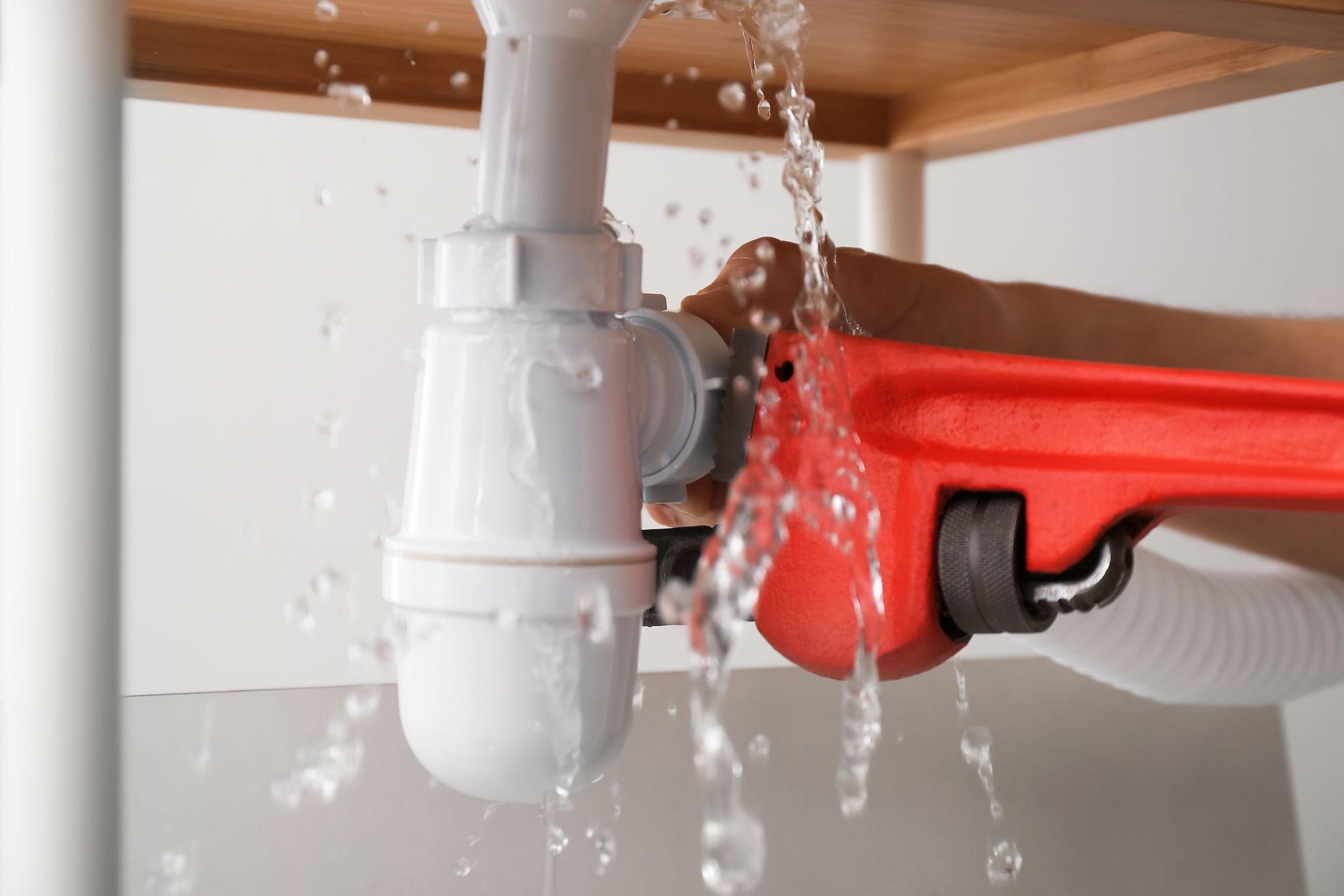
Water pooling around the base of your appliance is an immediate warning sign. Even small puddles indicate that metal expansion and contraction have caused structural fractures. Ignoring these tiny wet spots can lead to a catastrophic tank burst.
Make sure the moisture is not just simple condensation from nearby pipes. Check the temperature and pressure relief valve for proper operation as well. If the actual structure is leaking, you must secure a new water heater immediately to protect your property.
5. Experiencing Lukewarm Temperatures
Losing the ability to reach comfortable temperatures indicates failing heating elements. You might notice the hot water running out much faster than it did in previous seasons. This drop in performance means the system cannot keep pace with your normal household demands.
Fluctuating temperatures frustrate everyone in the household during morning routines. When internal components wear down, they draw more energy without delivering the desired warmth. Upgrading to a new water heater ensures a steady, reliable supply for every fixture.
6. Requiring Frequent Repairs
Spending money on constant plumbing repairs indicates an appliance at the end of its usefulness. If you call a technician multiple times a season, those individual bills accumulate rapidly. That money is better spent investing in modern, reliable equipment.
- Compare the cumulative repair costs against the price of a new system.
- Consider the peace of mind that comes with a fresh manufacturer's warranty.
A dependable water heater should operate quietly without needing constant professional intervention. When breakdowns become a regular pattern, your system is telling you it cannot sustain operation. Choosing a replacement eliminates the anxiety of unexpected future failures.
7. Spotting Murky Water
Cloudy or muddy water coming from your taps indicates significant mineral accumulation inside the tank. This sediment stirs up whenever the burners ignite to heat the water. It leaves a gritty residue on your dishes and clothing.
This buildup coats the heating elements, forcing the system to consume far more energy. Over time, the accumulated minerals harden into a solid mass that resists traditional flushing methods. When flushing fails to clear the water, the system requires replacement.
8. Observing Decreased Flow
When scale and sediment build up inside the plumbing lines, water pressure drops significantly. You will notice a weaker stream coming from your showerheads and kitchen faucets. This restriction means the appliance cannot push water through efficiently.
This issue is particularly common in areas with heavy mineral content in the local supply. The narrowed passages force the unit to operate under higher pressure, accelerating component wear. A replacement restores your home to full, comfortable water pressure instantly.
9. Facing Spiking Bills
An unexplained rise in your monthly energy bills often points toward a failing appliance. When a system struggles against sediment and aging parts, it runs for longer periods. It consumes excessive gas or electricity just to achieve baseline temperatures.
Monitoring your seasonal utility statements helps you spot this gradual decline in efficiency. If your usage habits remain unchanged but costs climb, the culprit is likely hidden in your basement. Installing a modern unit reverses this trend and protects your wallet.
10. Noting Smelly Output
A distinct metallic taste or a foul odor like rotten eggs indicates internal degradation. The bad smell often stems from bacterial growth thriving inside a warm, sediment-rich environment. Meanwhile, the metallic taste means the internal lining is dissolving.
These unpleasant sensory changes make bathing, cooking, and cleaning highly unappealing for your family. Standard water filtration systems cannot completely fix odors caused by a decaying internal tank structure. Replacing the compromised unit is the healthiest option for your household.
11. Tracking Discolored Taps
When corrosion takes hold, it affects the visual quality of the water across your home. You might notice yellow or dark tints whenever you fill a bathtub. This visual cue confirms that rust is actively flaking off the walls.
Once the steel shell loses its integrity, a major structural breach becomes inevitable. Hoping the problem disappears only invites an expensive cleanup project later on. Taking proactive measures protects your flooring and nearby valuables from sudden ruin.
12. Reviewing Maintenance Logs
Neglecting annual maintenance shortens the operational lifespan of any major home comfort system. If the tank has never been flushed, sediment has likely caused permanent damage. Failing to replace the anode rod leaves the steel completely unprotected.
Reviewing your past service history helps determine if the unit is worth saving. A system that has missed years of care cannot easily be restored to peak efficiency. Investing in a fresh installation gives you a clean slate for proper maintenance.
Recognizing these warnings protects your home from severe water damage and sudden cold showers. Upgrading your system ensures reliable warmth, improved energy efficiency, and total peace of mind for your entire family. For expert replacement and installation services, contact the professional team at PBCI-Allen Mechanical & Electrical. Reach out to our friendly staff today to schedule your consultation.



Share On: