How to Choose Backup Generators for Home Emergencies
Severe weather events, unexpected grid failures, and seasonal storms can plunge a home into sudden darkness, disrupting daily routines and creating hazardous living conditions. When the electrical grid fails, modern households quickly realize how deeply dependent they are on a continuous flow of electricity for comfort, safety, and basic survival. Refrigerators thaw, climate control systems shut down, communication devices lose charge, and critical medical equipment ceases to function. In these precarious moments, having a reliable source of secondary power becomes a necessity rather than a luxury. This is why a growing number of homeowners are actively exploring how to choose backup generators for their properties. These systems provide a robust safety net, ensuring that your family remains safe, warm, and connected even during prolonged utility outages. However, selecting the appropriate setup is not a simple purchase; it requires a comprehensive understanding of electrical needs, equipment types, fuel requirements, and safety protocols. Making an informed decision ensures that your investment provides maximum protection when you need it most. By exploring the critical factors involved in choosing backup generators, you can navigate the selection process with confidence and secure lasting peace of mind for your entire household.
Assessing Your Household Power Requirements
Before purchasing a system, you must determine how much electricity your home requires to function during an emergency. This involves identifying which appliances and systems are absolutely essential for your safety and comfort. Essential items typically include the refrigerator, freezer, water well pump, heating system, select lighting circuits, and any necessary medical devices. Non-essential items, such as clothes dryers, dishwashers, and extensive entertainment systems, can usually be bypassed to conserve energy. Every electrical appliance has both a running wattage, which is the continuous power needed to keep it operating, and a starting wattage, which is the brief surge of power required to get the motor running. For accurate calculations, you must sum the running wattages of your essential devices and add the highest starting wattage among them to find your minimum power threshold. According to Consumer Reports, an ideal backup generator for residential use is roughly 5,000 to 20,000 watts. This broad range allows homeowners to choose between powering only select emergency circuits or maintaining full operational capacity for the entire house. Understanding where your specific household falls within this spectrum prevents the risk of purchasing an undersized unit that could overload, or an oversized unit that would consume excessive fuel unnecessarily.
Evaluating Your Primary Equipment Options
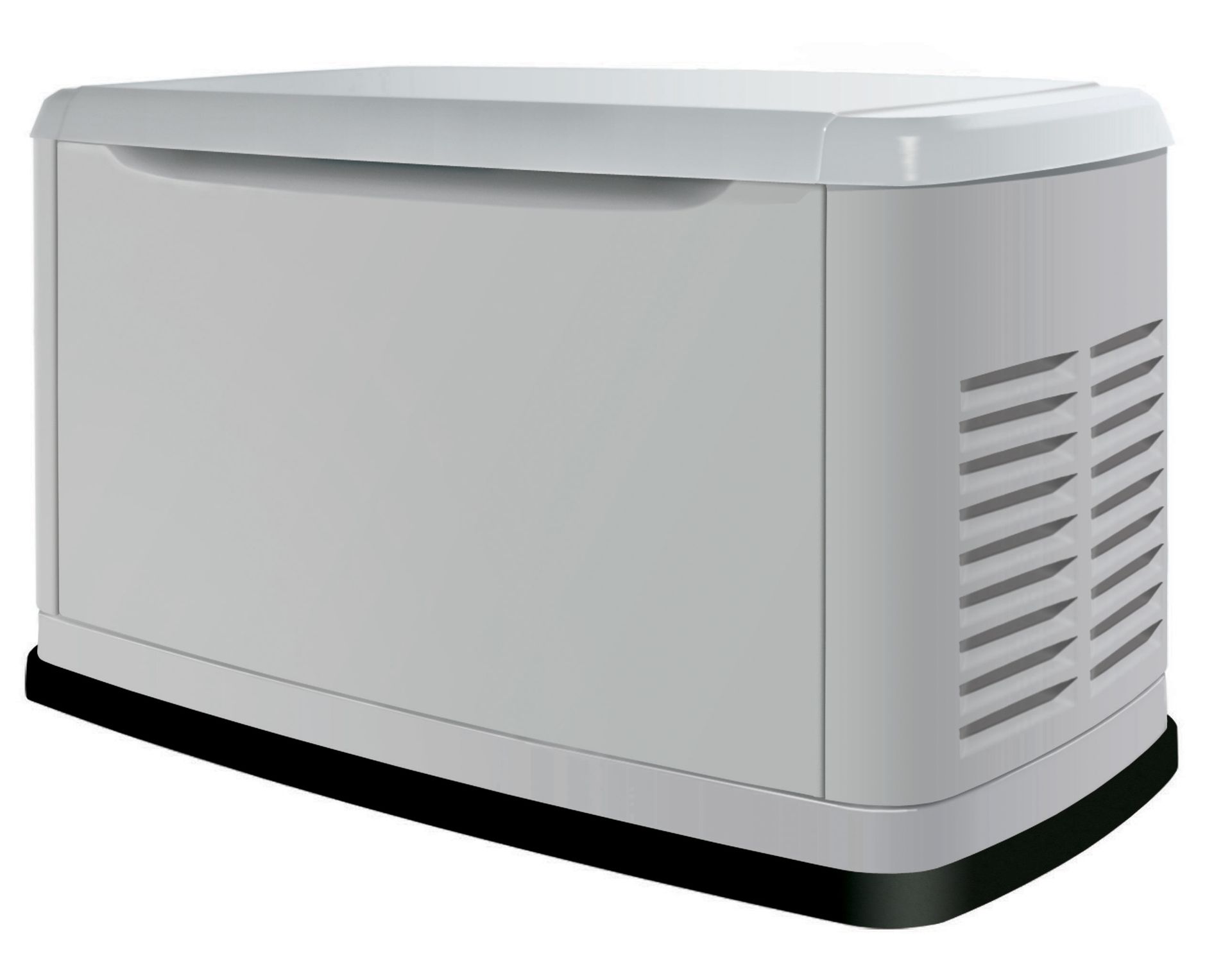
Once you have established your power requirements, you must evaluate the different configurations of backup generators available on the market. Portable models are a popular choice due to their versatility and lower upfront cost. These units must be manually started, refueled, and connected to your home, either through heavy-duty extension cords or a manual transfer switch. Inverter models offer a quieter, more fuel-efficient alternative, generating clean electrical current that is perfectly safe for sensitive electronic devices like smartphones and laptops. For those seeking maximum convenience and seamless protection, standby backup generators represent the gold standard of home defense. These permanent installations are positioned outside the home, resembling central air conditioning units, and are connected directly to your electrical panel. They operate in conjunction with an automatic transfer switch, which constantly monitors the incoming utility power. When a blackout occurs, the switch immediately detects the loss of electricity, commands the system to start, and transfers the electrical load to the unit in a matter of moments. This automated process ensures that your home never loses power for more than a brief moment, even if you are away from the property when the outage begins.
Understanding Your Essential Fuel Alternatives
Another critical aspect of selecting backup generators is choosing the fuel source that best fits your regional availability, budget, and storage capacity. Portable units typically run on gasoline, which is widely available but has a short shelf life and can be difficult to source during widespread outages when local filling stations lose power. Liquid propane is a highly popular alternative because it does not degrade over time, making it ideal for long-term storage in large tanks on your property. Natural gas is another exceptional option, particularly for permanent standby systems, as it connects directly to your municipal utility line, providing a virtually limitless supply of fuel without the need for manual refueling. Models designed to run on multiple fuel sources offer incredible flexibility, allowing you to switch between gasoline and propane depending on what is available during an emergency. It is vital to consider how you will store and replenish your fuel supply during an extended crisis, as some regions may experience supply chain disruptions that make certain fuels difficult to obtain. Assessing these factors beforehand ensures that your system remains operational for the entire duration of any prolonged power interruption.
Determining Your Critical Safety Standards
Operating any type of machinery that generates electricity carries inherent risks that must be carefully managed to protect your family and property. The most significant hazard associated with combustion-engine backup generators is the production of carbon monoxide, a colorless, odorless gas that can be lethal if allowed to accumulate. Portable units must absolutely never be operated indoors, in garages, or near open windows, crawlspaces, or doors. They must always be positioned a safe distance away from the home with the exhaust pointed away from living areas. Furthermore, electrical safety is paramount when connecting these systems to your home. Directly plugging a generator into a wall outlet, a dangerous practice known as backfeeding, can send high-voltage electricity traveling backward through utility lines, posing a fatal threat to utility workers who are working to restore the grid. Utilizing a professionally installed transfer switch is the only safe and legal method to connect backup power to your home panel. This device completely isolates your home from the utility grid, ensuring a safe transition of electrical current and protecting both your household electronics and the workers on the line.
Planning Your Professional Installation Strategy
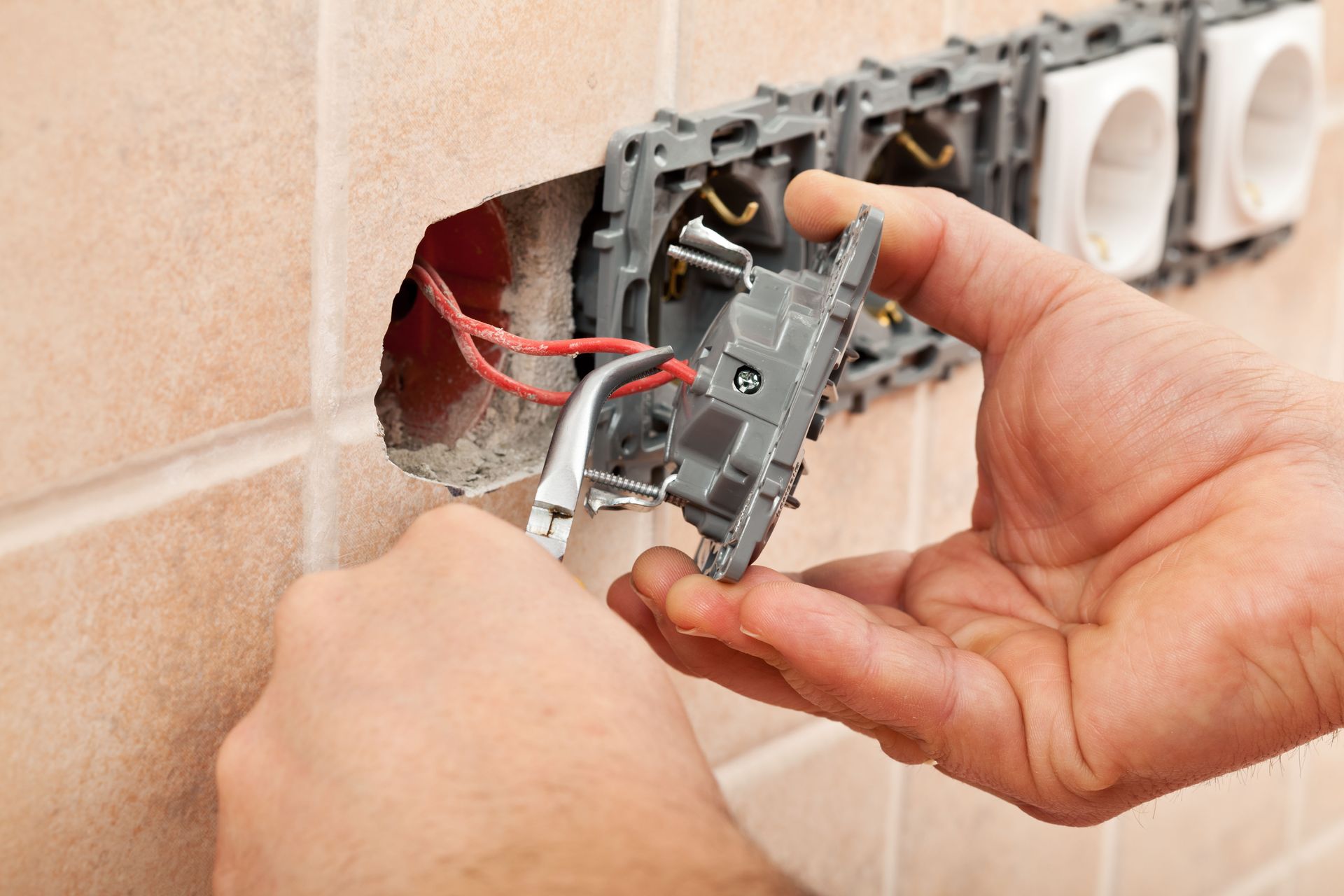
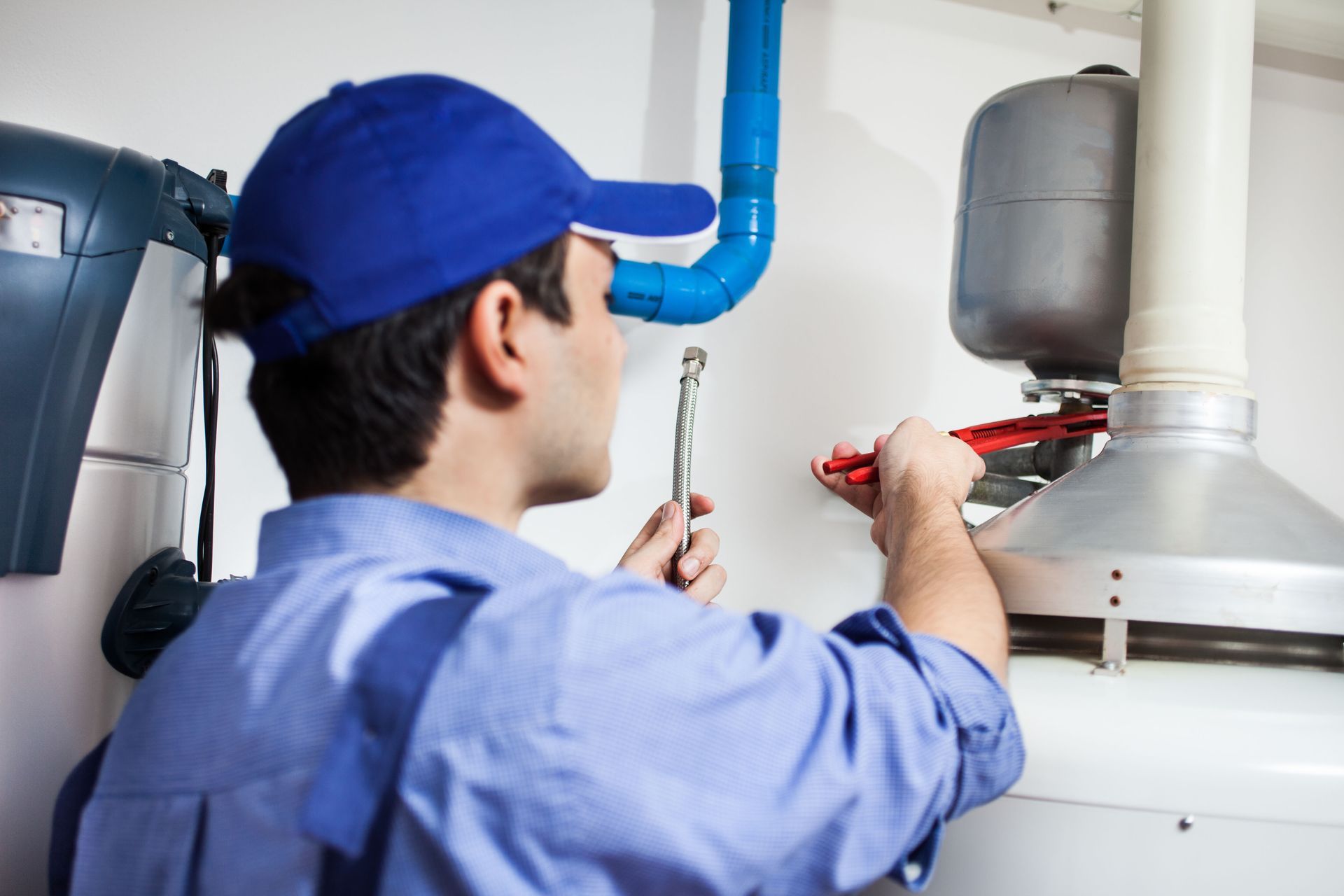
While some homeowners may feel tempted to attempt a self-installation to save on costs, the complexity of dealing with high-voltage electricity and fuel lines makes professional installation an absolute necessity. Installing a standby system requires securing local building permits, adhering to strict municipal zoning laws regarding placement and noise levels, and ensuring compliance with national electrical codes. A professional technician will properly size the gas lines, configure the automatic transfer switch, and perform comprehensive load testing to verify that the system operates flawlessly under pressure. Additionally, regular maintenance is required to keep these complex machines in peak operating condition. This includes routine testing runs, timely oil changes, and regular inspections of battery levels and spark plugs. By establishing a professional maintenance schedule, you can rest assured that your emergency power system will start instantly and run reliably when the next major storm rolls through your area.
At PBCI-Allen Mechanical & Electrical, our team is deeply committed to helping you safeguard your home and family against the unpredictable nature of power outages. We understand that choosing the right
backup generators can feel like a daunting task, and we are dedicated to providing the expert guidance, seamless installation, and dependable maintenance you deserve. We invite you to contact our experienced technicians today so we can work together to design a customized, reliable power solution that keeps your household safe, comfortable, and fully energized through any emergency.



Share On: