Signs You Need a New Water Heater
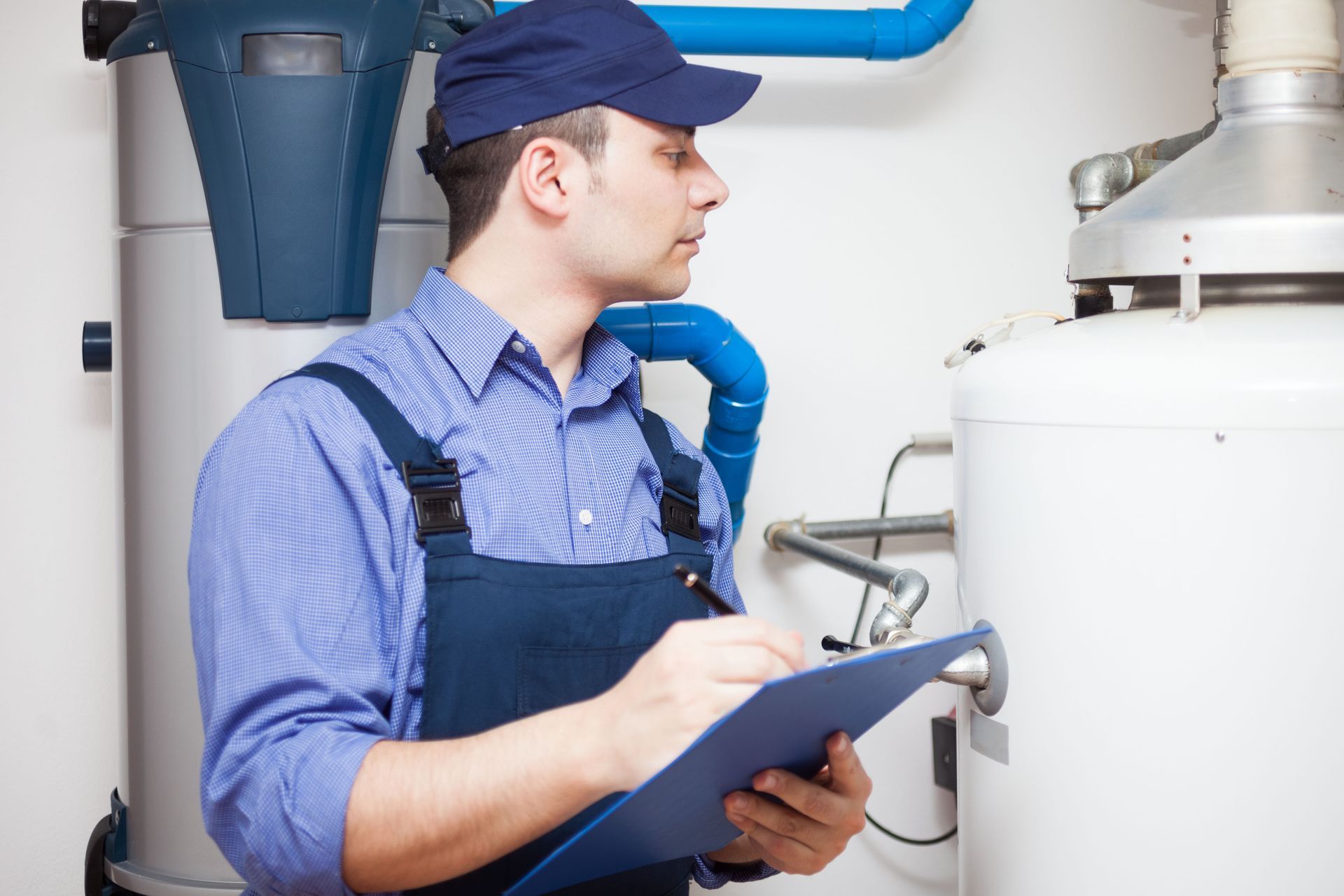
Knowing when to replace a vital home appliance is crucial to maintaining a comfortable and efficient household. A malfunctioning water heater can disrupt daily routines and lead to costly emergencies if not addressed promptly. Understanding the symptoms of a failing system can help you avoid inconvenience, potential property damage, and increased energy costs. Together, we will delve into the most common indicators that it is time to update your system. Recognizing these signs early allows you to make informed decisions before you encounter major mechanical failures.
Unusual Operational Noises
Unusual noises emanating from your basement or utility closet can be a compelling sign of underlying tank problems. Banging sounds, for instance, are often a direct result of sediment buildup, which causes the system to exert more effort when heating. As sediment settles at the bottom, it creates pockets of air that lead to these audible disturbances. Addressing sediment accumulation regularly can prevent these noises and extend the overall lifespan of the system.
Popping noises can indicate trapped moisture within mineral deposits that have settled over time. As the system operates, these minerals harden and expand, ultimately leading to the popping sensation. Left unmanaged, these deposits compromise efficiency by necessitating more energy to heat through the added layer of minerals. An annual flush can mitigate these mineral buildups, ensuring everything runs smoothly and quietly.
Crackling sounds are typically associated with scaling, especially in electric systems where heating elements are affected. Scaling results from the accumulation of minerals like calcium and lime that adhere directly to the heating elements. As these deposits build up, they cause the elements to overheat and crackle. Regular cleaning or replacing of heating elements can quickly alleviate this issue.
Visible Water Leaks
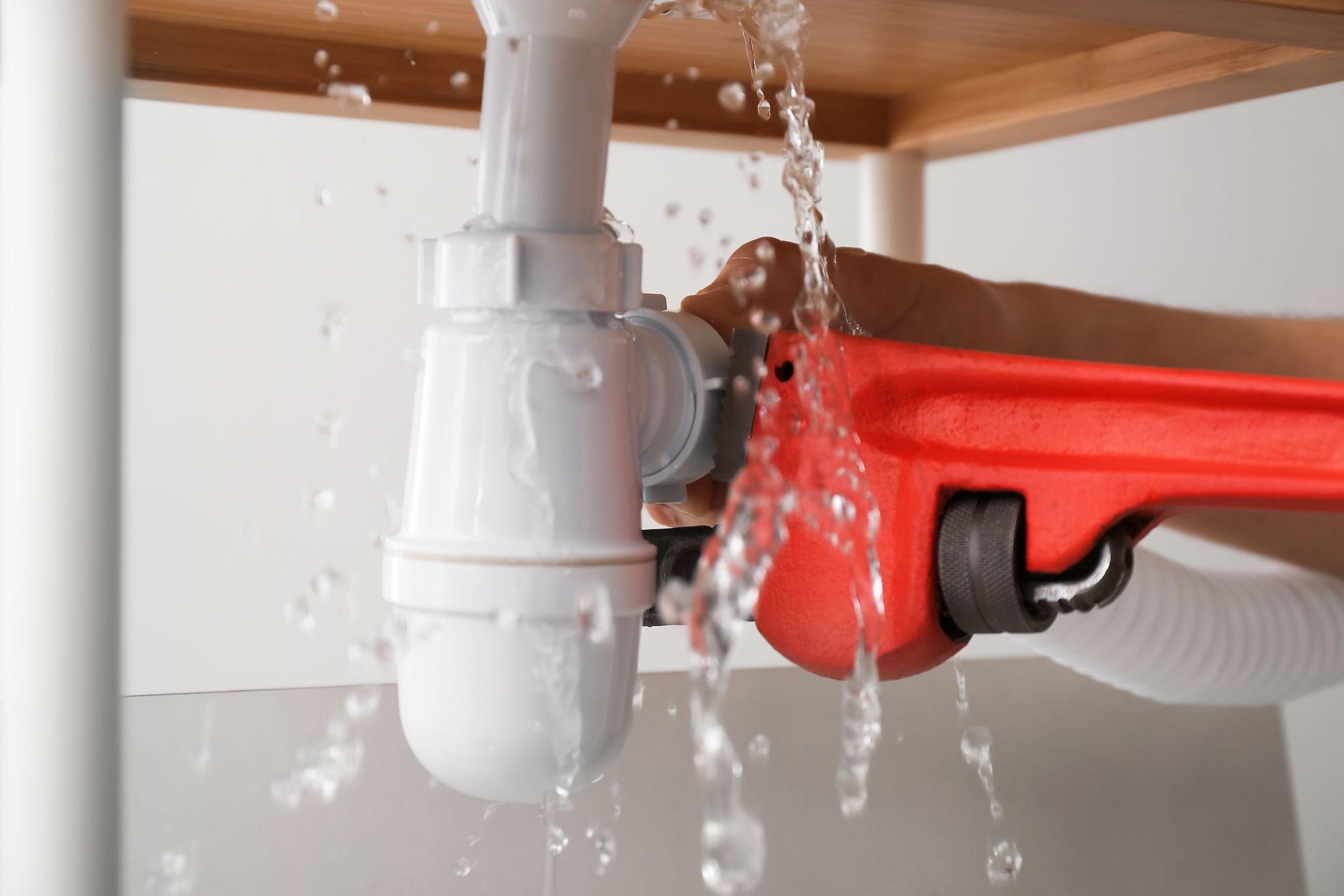
Water leaks around your tank are often a visible sign of a need for replacement. Pools around the base of the unit could signal a serious structural failure requiring swift action to mitigate property damage. The reasons behind a leak may vary from corroded internal walls to failing valves, each requiring a thorough inspection. Ignoring this issue could lead to severe consequences, such as localized flooding.
Dripping valves can point to issues of excessive pressure within the plumbing system. These pressure discrepancies weaken seals and connections over time, leading to continuous leaks. Repairing leaky valves not only curtails water loss but also aids in preserving operational efficiency. Regular inspection of these components is essential to maintaining an optimally functioning setup before minor leaks become major problems.
Inconsistent Thermal Performance
Inconsistent temperatures can be one of the first indicators that your water heater is losing its reliability. Fluctuating temperatures during a shower often point to worn-out heating elements or faulty thermostats. When these components fail, they cannot maintain a steady supply, leading to sudden temperature drops or spikes. Homeowners might notice that the hot water supply runs out quicker than usual, signaling diminished efficacy.
Running out of hot supply quickly is a common issue that hints at an appliance reaching the end of its lifespan. According to The Home Depot, a tankless water heater can last for more than 20 years. This shows how modern configurations offer excellent longevity compared to traditional designs. Opting for a contemporary upgrade provides an efficient solution with an on-demand, never-ending supply perfect for modern households.
Lukewarm output is another consequence of a faulty water heater, often occurring when the appliance is unable to maintain an adequate temperature. This could be due to insufficient power being delivered to the heating elements or a failing thermostat. Additionally, heavy sediment deposits can act as insulating layers that prevent proper heat transfer. Routine flushing can alleviate these performance drops.
Advanced Equipment Age
The age of your system plays a significant role in determining its operational condition and overall efficiency. Most standard tank models are designed with a ten-year to fifteen-year lifespan, beyond which their efficiency begins to decline rapidly. Older units are highly prone to unexpected leaks, increased energy consumption, and mechanical failures. Keeping track of the installation date helps you anticipate when it is time for a replacement.
Identifying the manufacturing year can provide a deeper understanding of its remaining life expectancy. These details are usually found on the serial badge or rating plate attached to the appliance. Many homeowners do not realize that older models fall short of contemporary energy efficiency standards. Upgrading to a newer model ensures compliance with modern standards, offering better efficiency and reliable daily performance.
Frequent mechanical repairs are a telltale sign that the time has come to invest in a brand-new water heater. Ongoing repairs can accumulate substantial costs without providing the long-term assurance of operational reliability. Continuously addressing minor breakdowns often becomes more expensive than simply replacing an outdated unit. A replacement provides complete peace of mind by ensuring a more reliable and consistent household supply.
Rising Monthly Bills
Increasing utility bills can indicate major inefficiencies in your water heater that might necessitate an immediate replacement. Comparing current bills with those from previous months may reveal a pattern suggesting higher energy consumption. If household usage patterns have remained consistent, the hike in energy costs can be directly attributed to an inefficient or failing water heater. Modern systems are engineered to meet stricter efficiency standards.
An aging water heater may exert more effort to maintain baseline temperatures, leading to unnecessary monthly expenditure. Poor insulation in older models is often responsible for these continuous standby energy losses. Newer model designs incorporate vastly improved insulation technologies, which offer an effective solution for controlling household expenses. Investing in contemporary equipment offers substantial savings potential over time.
Frequent cycling on and off not only raises energy costs but also subjects the unit to undue wear and tear. This rapid cycling suggests that the appliance is struggling to maintain a consistent internal temperature, typically resulting from a failing thermostat or heavy sediment buildup. Exploring alternative energy-efficient solutions like tankless models can significantly curb energy consumption while balancing household performance.
Discolored or Smelly Supply
Discolored or cloudy liquid emanating from your taps is a visible indicator that your water heater may have internal issues. Rust-colored output is cause for further investigation because it suggests advanced corrosion and deterioration within the tank itself. If left unchecked, this corrosion can weaken the structural integrity of the metal, leading to potential ruptures and catastrophic structural failures.
The presence of suspended sediments can often cause the liquid to appear cloudy, indicating severe mineral build-up in the tank. This accumulation not only affects clarity but can also reduce heating efficiency and, subsequently, increase operational costs. A regular professional tank clean-up is necessary to resolve sediment issues and improve the overall performance of the water heater.
A sulfuric smell signaling bacterial infestation can also be detected in contaminated systems. This odor typically occurs when bacterial colonies flourish in the warm environment of a tank, especially in units set at lower temperatures. Regular inspection of settings and anode rods can prevent such unpleasant odors, safeguarding your domestic supply and ensuring that all components operate without the hindrance of internal contamination.
Addressing appliance issues before they escalate helps to maintain an uninterrupted supply of hot water in your home. By identifying these signs of wear and inefficiency, you can ensure that your water heater is replaced at the optimal time, preventing severe inconvenience and further emergency expenses. Modern configurations dramatically boost household comfort, reduce energy consumption, and deliver reliable everyday performance. For top-tier replacement options, professional installation, and guidance tailored to your household needs, reach out to the dedicated team at PBCI-Allen Mechanical & Electrical.


Share On: