The Lifespan of a Standard HVAC System
Heating, Ventilation, and Air Conditioning (HVAC) systems are a vital component in both residential and commercial environments, offering essential climate control. These systems ensure indoor comfort by regulating temperature, humidity, and air quality. Understanding their lifespan is crucial, as replacing an HVAC system is both a logistical and financial undertaking. This article explores the various factors that impact the life expectancy of HVAC systems, including maintenance, technological advancements, and economic considerations. By the end, you'll have a comprehensive understanding of how to maximize the longevity and efficiency of your HVAC system.
Understanding System Fundamentals and Essential HVAC Repair Needs
An HVAC system is responsible for heating and cooling in buildings, providing thermal comfort and promoting healthy indoor air. It consists of interconnected components that work together to maintain an optimal temperature and air quality year-round. Standard HVAC systems comprise several key components: heating elements, air conditioning, ventilation, and a control system to regulate them. The heating component typically includes a furnace or boiler, while the cooling component is an air conditioner or heat pump. Ventilation involves fans and ductwork to circulate fresh air, controlling odors, moisture, and indoor pollutants.
Diverse system types exist to meet varied environmental and architectural demands, each with unique features and deployment scenarios. Split systems are common in residential settings, offering separate heating and cooling units. Packaged systems, typically installed on rooftops, house all components within a single unit and are common in commercial applications. Ductless mini-split systems provide zone-specific controls, enhancing comfort and energy efficiency. Knowing when to address minor system issues through timely HVAC repair can prevent severe operational failures down the line.
The primary function of HVAC systems is to provide indoor comfort through temperature regulation and air purification. HVAC systems substantially influence indoor comfort by managing the temperature, moisture levels, and quality of the air we breathe. By delivering warm and cool air as needed, these systems create a stable environment regardless of external weather conditions. They filter out pollutants and allergens, promoting a healthier atmosphere indoors. An effective system directly impacts productivity, mood, and overall well-being.
Evaluating Life Expectancy and Performance Factors
The average lifespan of HVAC systems varies between 15 and 25 years, contingent upon several factors like brand, maintenance, and usage patterns. Regular maintenance can prolong system life, ensuring the equipment runs efficiently and reducing wear and tear. Conversely, neglecting maintenance can significantly curtail an HVAC system's operational life. High-efficiency models may offer a slightly longer lifespan, but initial costs can be higher. Understanding the typical lifespan helps in planning for replacement, facilitating smooth transitions when the time comes.
A system's longevity is influenced by factors such as regular maintenance, installation quality, and usage intensity. Systems operating in harsh environments or extreme climates may experience faster degradation. Environmental conditions play a pivotal role in determining lifespan, with factors such as climate, location, and pollution levels contributing heavily. The HVAC market is expected to reach $82.5 billion by 2028, according to Webinar Care. This growth reflects continuous innovation and a rising demand for resilient indoor climate control technologies.
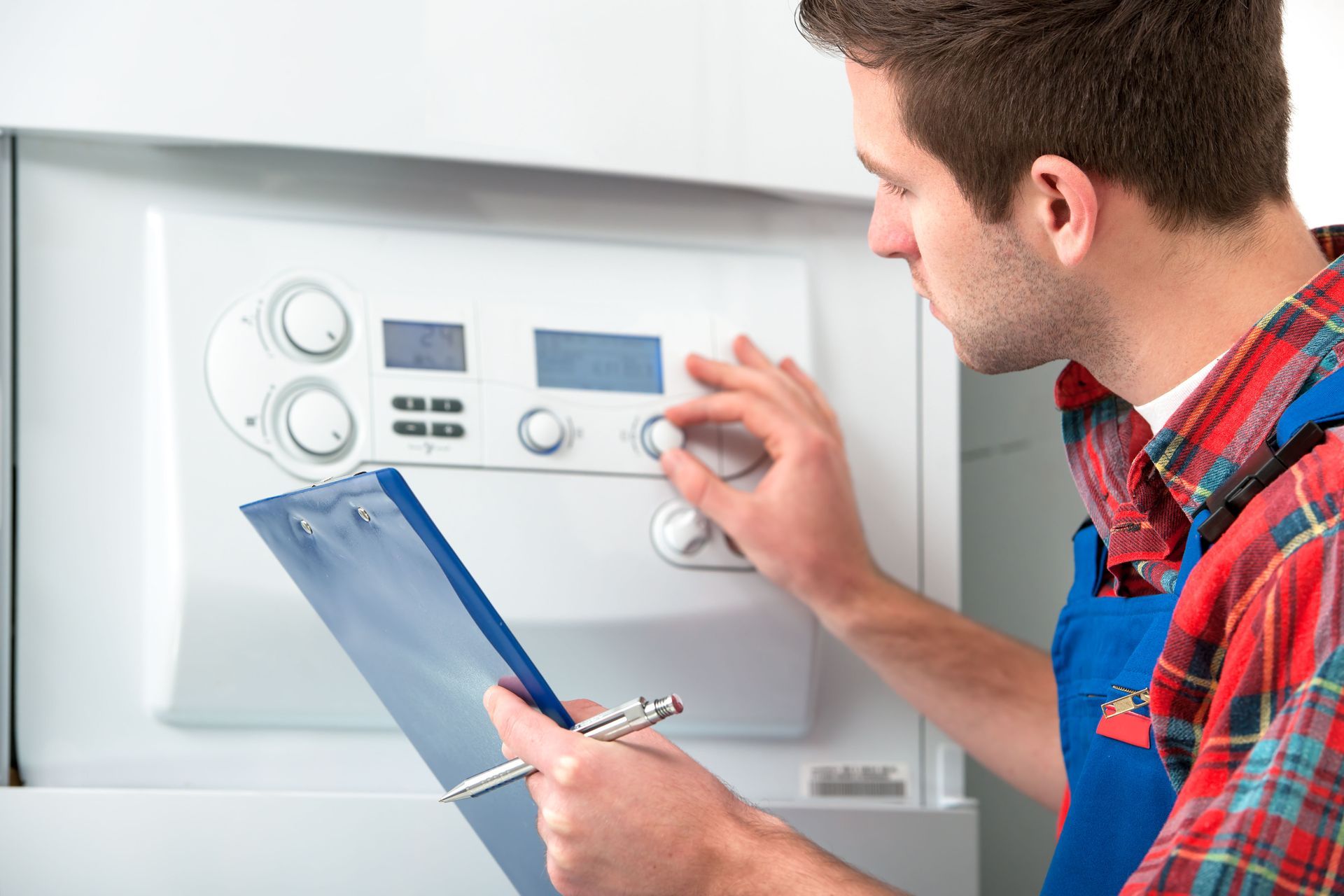
Identifying early signs of system wear can prevent costly repairs or premature failure through proactive care. Common indicators include inconsistent heating or cooling, unusual noises, heightened energy usage, and frequent cycling. Leaks, whether in ductwork or refrigerant lines, can degrade performance and necessitate swift action to mitigate damage. When components break down or perform below standards, scheduling an immediate HVAC repair helps restore system health and prevents catastrophic failures.
Maintaining Equipment for Long-Term Efficiency
Regular maintenance significantly impacts an HVAC system's lifespan by preserving efficiency and preventing breakdowns. Scheduled inspections by certified professionals ensure components like filters, coils, and condensate drains are clean and operating properly. Preventative care mitigates unforeseen malfunctions and prolongs system life, offering peace of mind to homeowners and business operators. Many manufacturers offer routine maintenance programs to assist in upholding system health and enhancing investment returns.
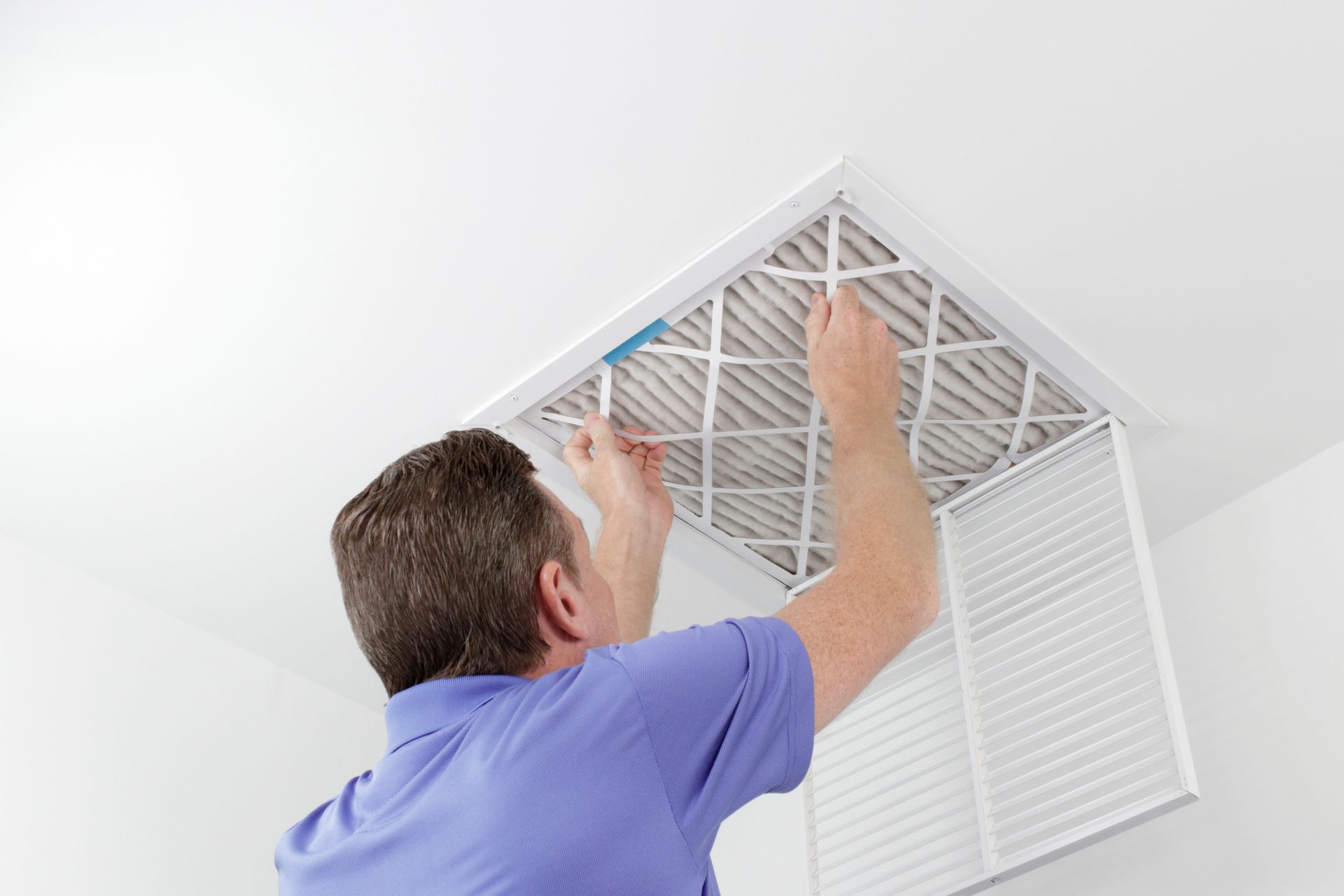
Routine maintenance tasks primarily focus on cleaning and replacing components subject to standard wear. Replacing air filters regularly ensures optimal airflow, improving efficiency and air quality. Cleaning coils and fans eliminates dust buildup, which could impede performance and cause damage. While basic tasks like filter replacements can be DIY, more intricate inspections generally warrant professional attention to avoid inadvertent damage. Balancing self-care and professional interventions maximizes both cost-efficiency and performance.
Employing seasonal maintenance practices ensures equipment remains efficient year-round, adapting to climate changes and demand variations. Pre-summer checkups focus on calibrating cooling components, while pre-winter preparations ensure heating systems are ready for use. Neglecting a system can drastically reduce its lifespan, leading to untimely and cost-intensive replacements. Dust accumulation heightens strain on components, causing them to overheat and fail prematurely, eventually requiring expensive emergency HVAC repair services.
Adopting Modern Technologies and Smart Innovations
Innovations in HVAC technology continue to reshape the industry, offering improved performance and higher efficiency. Smart thermostats that adjust settings automatically based on user behavior and habitation patterns enhance user comfort. Modern systems incorporate sensors and predictive analytics, enabling them to anticipate and react to environmental changes proactively. Developments in heat pump technologies provide efficient, sustainable heating and cooling alternatives, furthering energy savings and reducing overall mechanical wear.
Energy efficiency remains a cornerstone of modern advancements, with newer systems using significantly less energy than their predecessors. Variable speed compressors and energy-efficient motors offer flexible operation, reducing excessive load on the unit. Manufacturers focus extensively on eco-friendly refrigerants, minimizing environmental impact while maintaining cooling efficiency. Integrated with smart home technology, users can now receive energy usage reports, aiding optimized energy management and lower monthly operational bills.
Smart HVAC systems represent a leap forward in building climate management, offering elevated control and personalization. Enabled by IoT (Internet of Things), these systems allow remote operation and monitoring via mobile applications. Real-time diagnostics and system alerts ensure timely interventions, protecting the system from potential disruptions. Technological upgrades empower users to enjoy their climate control systems longer, with better performance and reduced interruptions throughout the year.
Analyzing Economic Aspects and Future Upgrades
The economic aspects of HVAC systems revolve around purchasing, maintaining, and eventual replacement costs. Initial investments can be substantial, but the long-term savings from energy efficiency and durability prove advantageous over time. Modern, energy-efficient systems offer lower operating costs, mitigating the expense and reducing time-to-payback. Tax incentives and rebates available for energy-efficient systems can also alleviate initial costs, making higher-grade models more accessible to consumers.
Evaluating repair versus replacement involves a detailed cost-benefit analysis to determine the most financially sound decision. Persistent breakdowns signify significant degradation, where full replacement may offer better long-term value. Although upfront replacement costs are higher, new systems come with higher energy efficiency ratings that drastically reduce monthly utility costs. When minor issues arise, a professional HVAC repair can extend system viability, but frequent repairs often tip the scale toward complete unit replacement.
Determining the appropriate time for replacing a climate control system is paramount in avoiding disruptions and energy inefficiencies. Systems nearing the end of their average lifespan or showing persistent operational issues are prime candidates for replacement. Before replacing, conducting a thorough evaluation and planning process ensures seamless transitions. Consulting with certified professionals provides clear insight into available options, ensuring long-term comfort, reliability, and sustained efficiency. For more information about the services that we offer, reach out to our incredible team at PBCI-Allen Mechanical & Electrical today!



Share On: