Why Water Heater Maintenance Matters for Energy Savings
Water heaters are an integral part of modern living, providing the comfort and convenience of hot water at the turn of a tap. However, their efficiency and energy consumption can vary significantly, depending on usage and maintenance practices. Understanding the importance of regular water heater maintenance is vital for optimizing energy savings, reducing environmental impact, and extending the lifespan of the appliance. According to the U.S. Department of Energy, heating water accounts for approximately 18% of a typical home's entire energy consumption, making it the second-largest utility expense. This article explores the many reasons why maintaining your water heater should be a priority and outlines the specific benefits of doing so.
Understanding Water Heater Efficiency
Energy factor (EF) ratings are crucial indicators of a water heater's efficiency, helping consumers compare the energy use of different models. A higher EF rating often indicates a more efficient unit, translating to reduced energy consumption and lower utility bills. Sediment build-up in a water heater can substantially reduce its efficiency, increasing energy use and utility costs over time. Over time, minerals in the water precipitate and settle at the bottom of the tank, forming a hard layer that acts as an insulator and forces the system to expend far more power.
Standby heat loss occurs when heat escapes from the tank into the surrounding environment, leading to significant energy waste. Even when hot water is not being actively used, a poorly insulated tank will continually lose heat, forcing the water heater to cycle frequently. Installing insulation blankets on older models can significantly reduce standby heat loss, enhancing overall operational efficiency. By addressing this often-overlooked issue, homeowners can improve their energy savings while reducing their environmental footprint.
Various types of units offer differing efficiency levels, each with unique benefits and drawbacks. Traditional tank models are generally less efficient than tankless models, which provide hot water on demand and minimize standby heat loss. Heat pump models and solar units present even more energy-efficient alternatives, ideal for homeowners seeking environmentally friendly options. Correctly sizing a water heater also involves evaluating the number of occupants and hot water usage patterns within a household to maximize efficiency and minimize long-term energy costs.
Performing Regular Maintenance Tasks
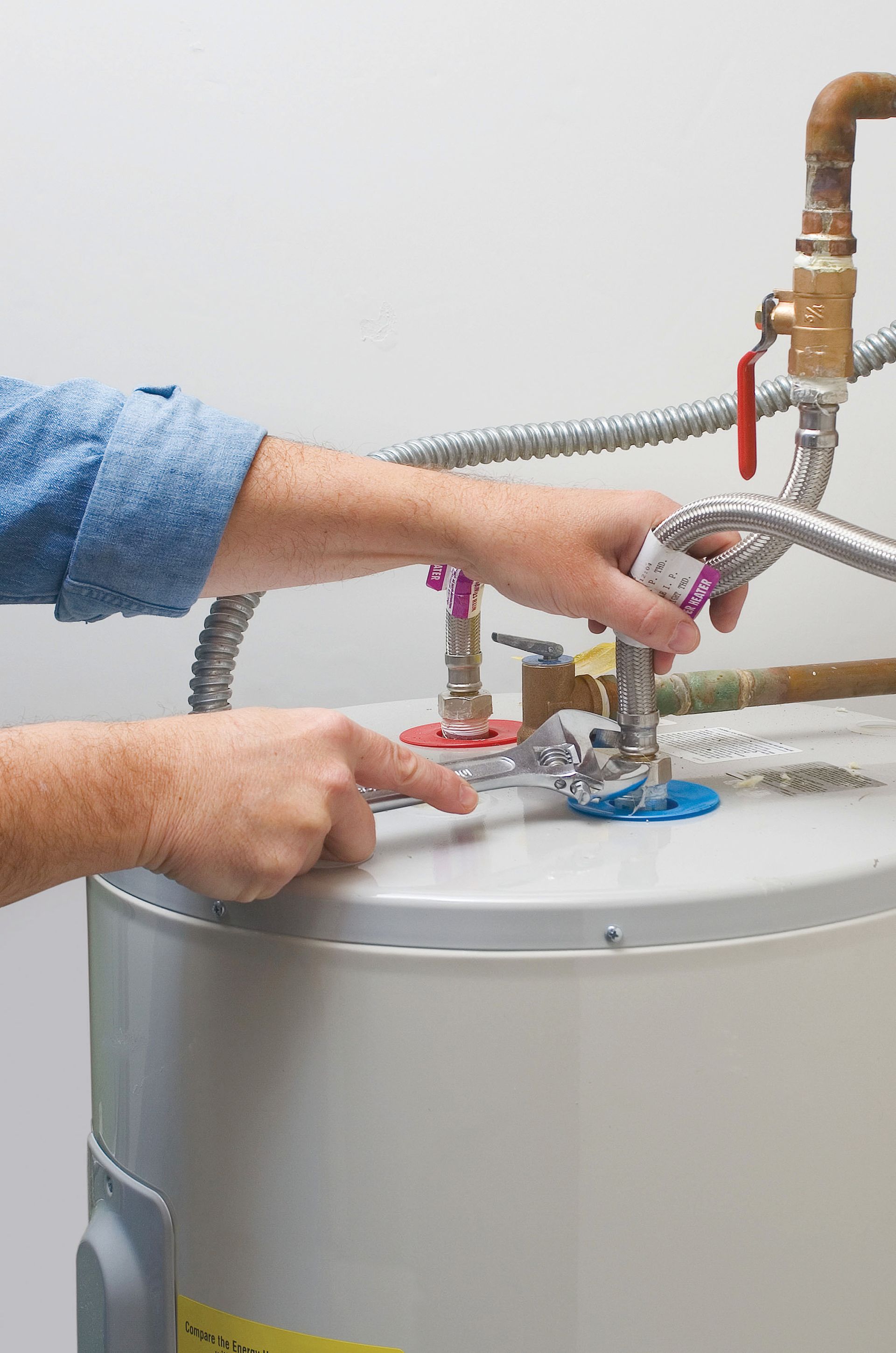
Regularly flushing the water heater tank is essential for removing sediment that accumulates over time. Sediment can create insulating layers that force the system to expend more energy to achieve the desired water temperature. By flushing the tank, homeowners can maintain efficiency, preventing unnecessary energy loss and reducing utility bills. Performing a tank flush annually can add years to the life of the appliance, protecting both your investment and the environment.
Anode rods are essential components designed to attract and corrode in place of the metal lining in the tank. Regular inspection and replacement of the anode rod help prevent rust and tank deterioration. In addition, setting the thermostat to an appropriate level (usually around 120F) balances comfort, safety, and energy efficiency. Lowering the thermostat by 10F to 20F can result in significant energy savings, given that each degree drop can reduce energy costs by 3% to 5%.
Insulating water heater pipes is another effective way to minimize heat loss, improving overall system performance. Pipe insulation ensures that warm water reaches its destination faster, reducing wait times and energy consumption. Finally, pressure relief valves must be examined annually. These crucial safety features are designed to release excess pressure that could otherwise cause structural failure, making them a key component of routine home maintenance.
Evaluating the Economic Benefits
Regular maintenance directly contributes to improved operational efficiency and reduced utility expenses. Tasks such as flushing the tank and adjusting the thermostat settings can enhance performance, minimizing energy waste. Over time, even minor improvements in efficiency compound to make a substantial difference in monthly utility bills. By investing in proactive care, homeowners can enjoy both immediate and long-term financial benefits.
Proactive care helps avoid costly repairs by identifying and addressing potential issues before they escalate. Regular inspections allow homeowners to spot early signs of wear and tear, such as malfunctioning components or sediment build-up. By addressing issues promptly, owners can prevent major breakdowns that would require expensive repairs or replacements. Maintenance tasks such as inspecting the anode rod and pressure relief valves are inexpensive preventive measures against sudden system failures.
Consistent maintenance significantly enhances the overall lifespan of the system while increasing home value. A well-maintained unit signals to potential home buyers that the property has received thorough care and attention. Additionally, many utility companies and government programs offer rebates and incentives for homeowners who upgrade to energy-efficient models. Taking advantage of these incentives offsets initial maintenance and replacement costs, maximizing the overall return on investment.
Reducing Environmental Impact
Efficient operation significantly contributes to reduced greenhouse gas emissions by lowering the amount of energy necessary to heat water. When households use less energy, the demand on power plants decreases, resulting in fewer emissions released into the atmosphere. Additionally, opting for high-efficiency models or renewable energy-powered units further minimizes environmental impact. This collective reduction in emissions helps combat climate change, supporting global sustainability efforts.
Efficiency is closely linked to water conservation, as efficient units typically deliver hot water more quickly and consistently, reducing overall wastage. When systems operate efficiently, households avoid running water unnecessarily while waiting for it to reach the desired temperature. By insulating pipes and maintaining the equipment, families can enjoy quicker delivery while conserving a vital natural resource and lessening strain on municipal infrastructure.
Integrating renewable energy sources, such as solar or heat pump systems, supports environmental sustainability by diminishing reliance on fossil fuels. Furthermore, extending the life of an existing unit through regular maintenance minimizes the extraction and consumption of raw materials needed for manufacturing new appliances. By delaying the need for replacements, consumers promote eco-conscious behavior within households and help reduce overall industrial waste streams.
Identifying Maintenance Indicators
One common sign that a unit requires attention is the presence of unusual noises, such as popping or rumbling sounds. These noises usually indicate sediment build-up at the bottom of the tank, where expanding minerals shift upon heating. Inconsistent hot water temperatures, changes in water color, or a sudden increase in energy consumption also signal that a water heater is operating inefficiently and requires routine servicing.
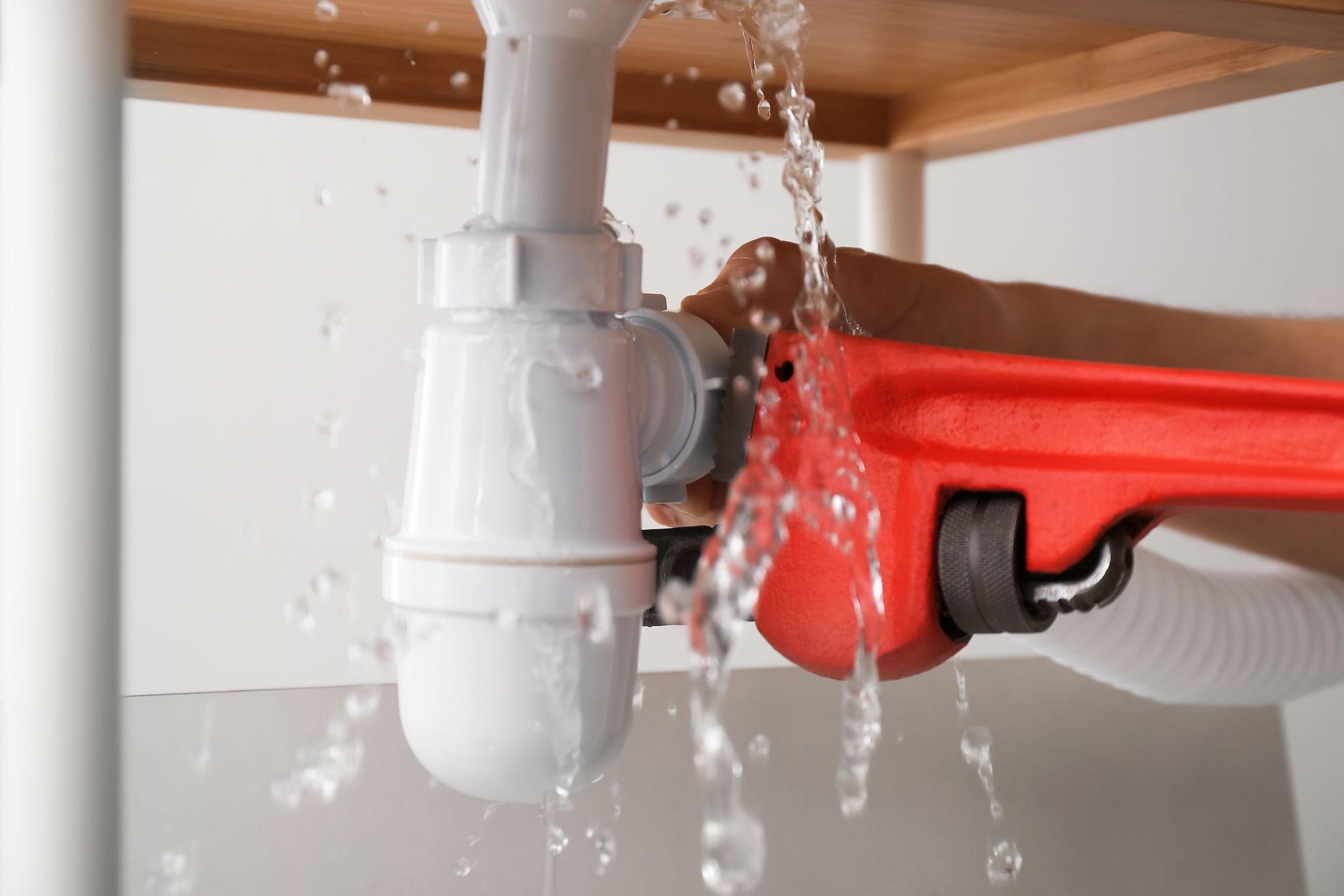
Detecting moisture or visible leaks around the base of the tank is another clear indicator that immediate attention is needed. Unaddressed leaks can stem from deteriorating internal components or faulty pressure valves, leading to structural damage and severe water loss. Homeowners who regularly inspect the surrounding area for dampness or pooling water can catch minor plumbing issues early, protecting surrounding floors and walls from costly structural repairs while preserving overall heating performance.
Homeowners interested in DIY care should assess their skill level before attempting tasks beyond basic tank flushing. Simple tasks are straightforward, but complex procedures involving electrical hookups or gas lines should be left to professionals. Recognizing the limits of DIY maintenance is crucial for maintaining safety, protecting manufacturer warranties, and ensuring the system operates reliably for years to come.
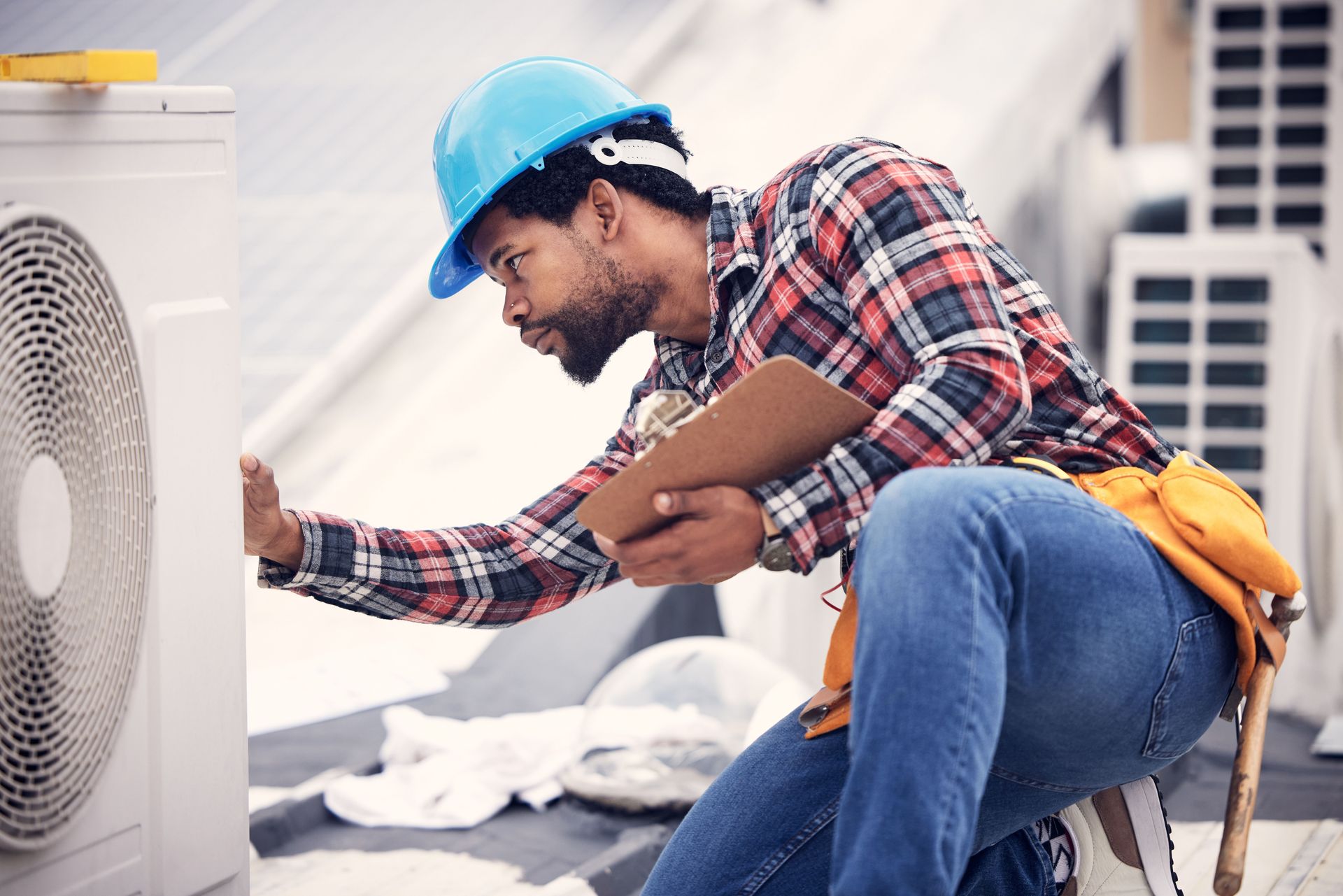
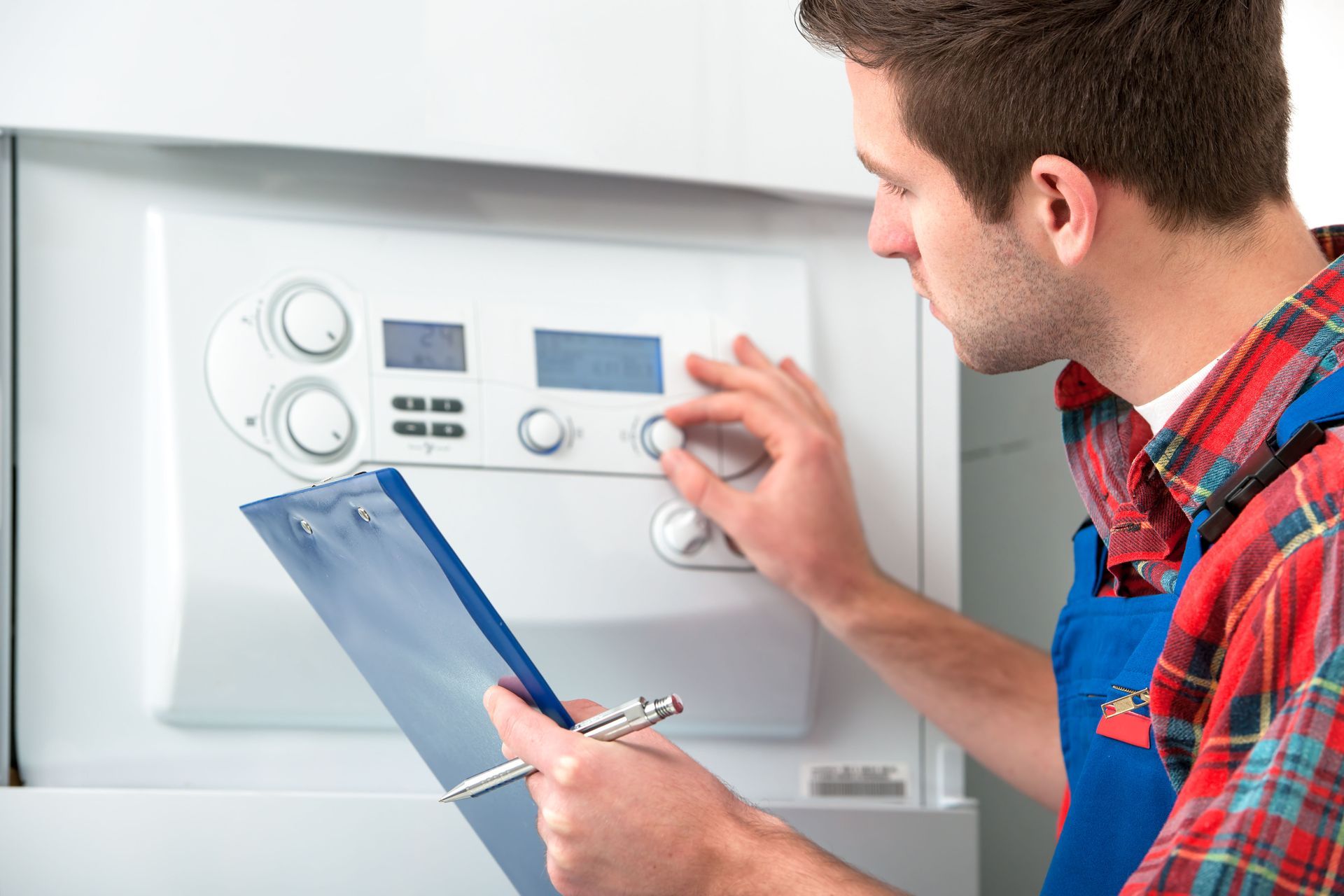
Partnering with a certified HVAC professional ensures complex diagnostics and repairs are completed safely and efficiently. Professional technicians possess specialized tools to evaluate system pressures, inspect electrical controls, and verify gas connections without risking home safety. Scheduling annual professional checkups provides long-term peace of mind, optimizes overall energy efficiency, and prevents sudden winter outages. For more information about the services that we offer, reach out to our incredible team at PBCI-Allen Mechanical & Electrical today!


Share On: