Best Tips from Local AC Contractors for Energy Efficiency at Home
Improving home energy efficiency does not always require a major renovation. In many cases, practical changes to cooling habits and home maintenance can reduce waste, lower utility bills, and improve comfort throughout the year. Because air conditioning accounts for a significant share of household energy use, many homeowners turn to local AC contractors for guidance that is both realistic and cost-effective. These professionals understand how equipment, airflow, insulation, and thermostat settings work together. When those elements are managed well, a home stays more comfortable while placing less strain on the HVAC system.
Energy efficiency also matters beyond monthly savings. A system that runs efficiently often experiences less wear and maintains steadier indoor temperatures during warmer months. For homeowners who want sensible strategies instead of guesswork, a combination of professional advice and everyday habits can make a measurable difference over time.
Evaluating Overall System Performance
One of the smartest ways to improve efficiency is to start with a full system assessment. High energy bills do not always mean the unit is too old to perform well. Sometimes the real problem is poor maintenance, improper sizing, restricted airflow, or a hidden issue in the ductwork. That is why local AC contractors often begin with inspection and testing before suggesting major repairs or replacement.
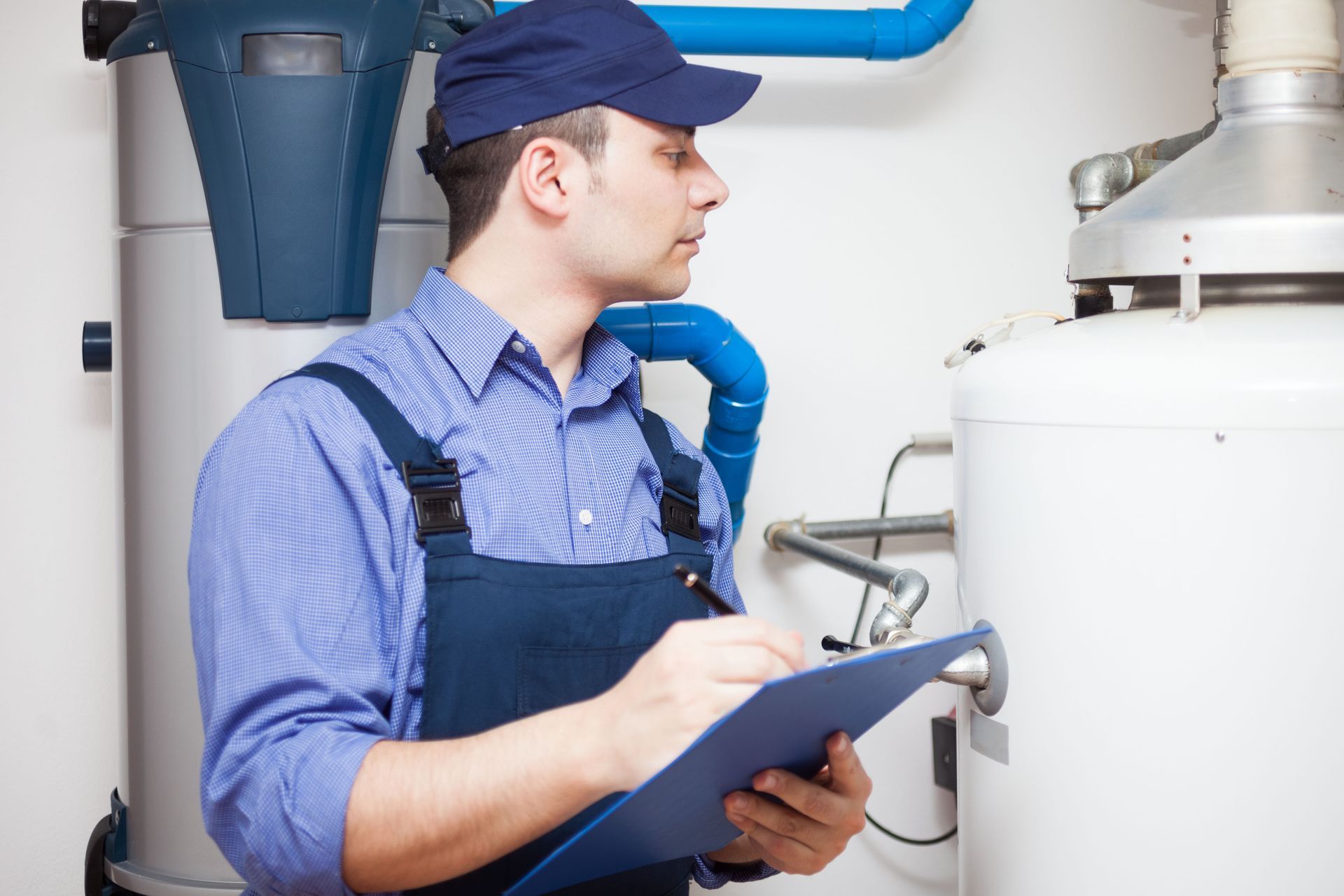
During an evaluation, technicians may check refrigerant levels, filter condition, thermostat accuracy, electrical connections, and overall system cleanliness. They also look for uneven cooling, excess humidity, or long run times that suggest the system is working harder than it should. Identifying the cause early can reduce operating costs and help prevent more expensive problems later.
A detailed assessment can also reveal whether the system matches the size and layout of the home. An oversized unit may short-cycle, while an undersized one may run constantly without delivering consistent comfort. Either situation can reduce efficiency and strain equipment.
Maintaining Equipment on a Consistent Schedule
Routine maintenance remains one of the most effective ways to support energy efficiency. Even a well-built cooling system loses performance when dust, debris, and worn parts are ignored. Dirty coils, clogged filters, and blocked drain lines can force the unit to run longer just to maintain a normal indoor temperature. For that reason, local AC contractors regularly recommend preventive service before heavy summer use begins.
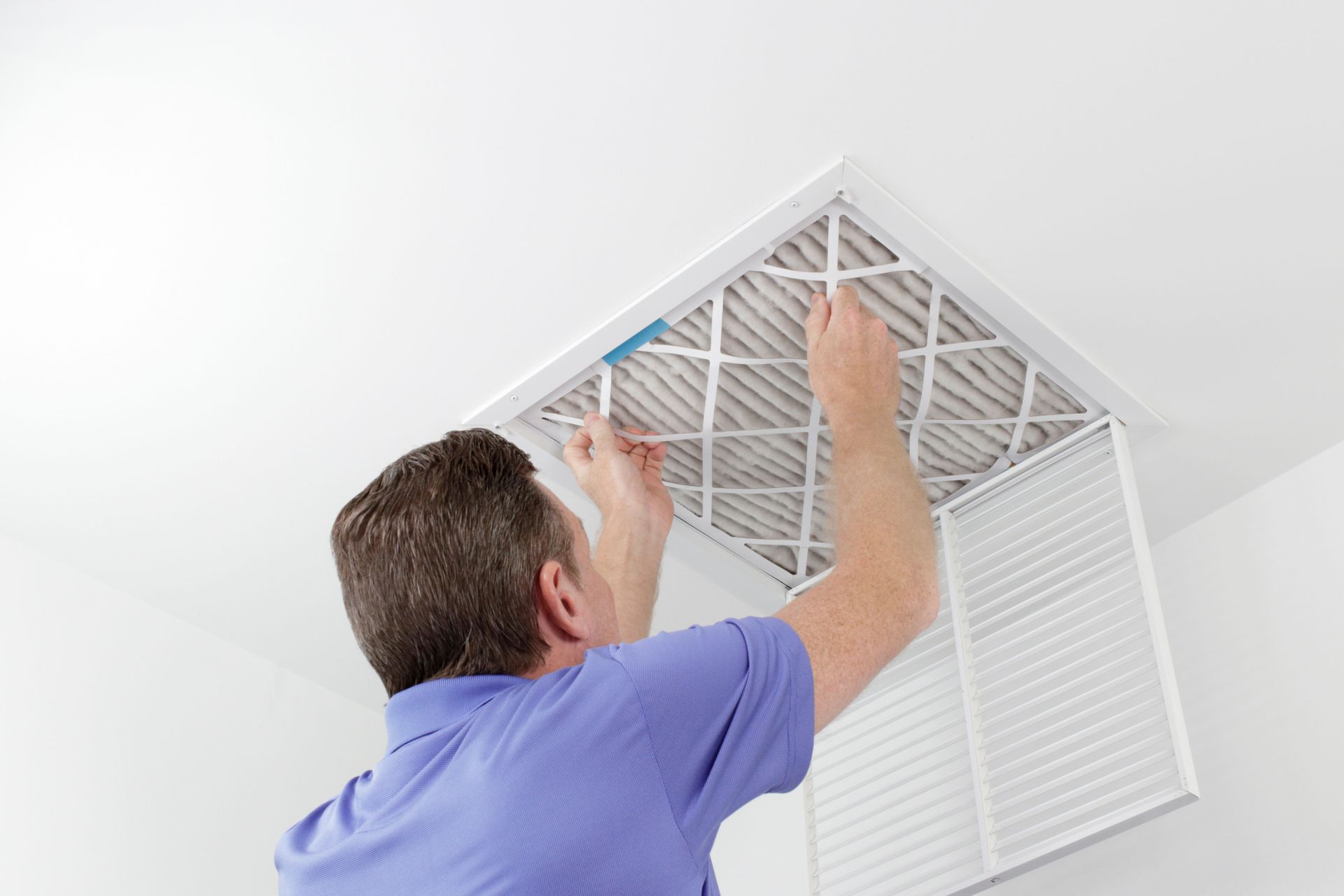
Professional maintenance visits typically include cleaning key components, checking controls, tightening electrical connections, and verifying safe operation. Homeowners can help between visits by replacing filters on time, keeping the outdoor unit clear, and paying attention to unusual sounds or weak airflow. When routine care becomes consistent, the system is more likely to run efficiently during peak demand.
Preventive care also supports long-term budgeting. It gives technicians a chance to catch small issues before they turn into costly breakdowns during the hottest part of the year.
Adjusting Thermostat Settings Strategically
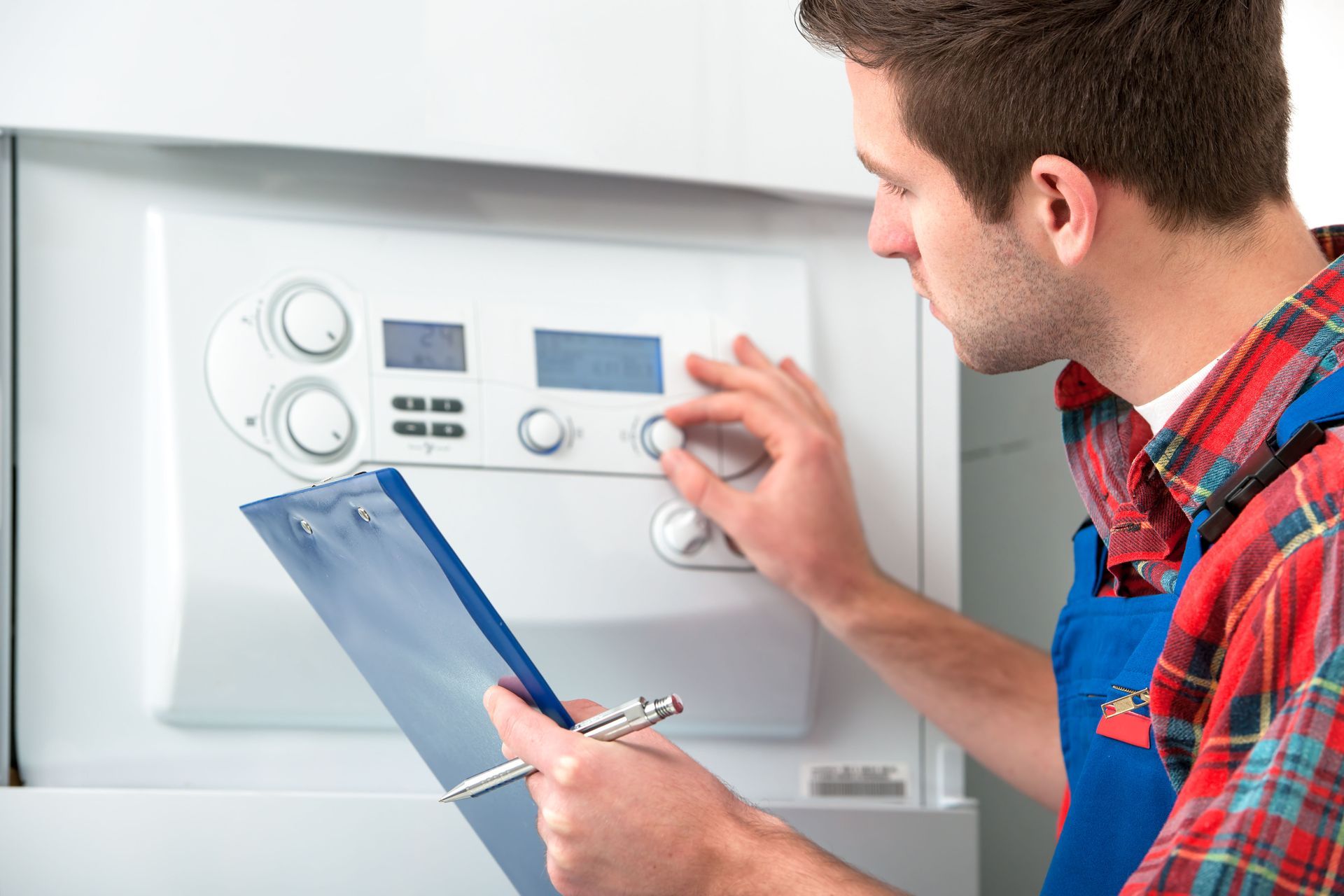
Thermostat settings affect energy consumption more than many households realize. One of the simplest recommendations from local AC contractors is to create a schedule that matches when people are home and when the house is empty. Steady, intentional adjustments are usually more effective than frequent dramatic changes.
According to the US Department of Energy, the department and Energy Star recommend setting a comfortable indoor temperature during the day and raising it by 7°F when no one is home. A programmable or smart thermostat can make that routine much easier to maintain. Homeowners should also avoid lowering the setting too far in hopes of cooling the house faster, since most systems cool at the same rate regardless of the chosen temperature.
Strategic thermostat use can be especially helpful for households with predictable schedules. Over a full cooling season, those small adjustments can add up to meaningful savings.
Improving Airflow Throughout Living Spaces
Efficient cooling depends on how well air moves through the home. When vents are blocked, ducts leak, or return air is limited, the system has to work longer to produce the same result. As a result, local AC contractors often treat airflow as a major part of any energy-efficiency plan.
Simple changes can make a noticeable difference. Furniture, rugs, and curtains should not block supply or return vents. Ceiling fans can help circulate cooled air more effectively, which may allow for slightly higher thermostat settings without sacrificing comfort. Duct sealing also matters because conditioned air can escape into attics or crawl spaces before it reaches the rooms where it is needed. Improving airflow often leads to better comfort with less wasted energy.
If certain spaces stay warmer than others, the issue may not be the thermostat at all. A professional review can help determine whether balancing adjustments or duct improvements would improve performance.
Sealing Air Leaks Around the Home
Cooling equipment cannot perform at its best if the home constantly leaks conditioned air. Gaps around doors, windows, attic openings, and utility penetrations allow cool air to escape and warm air to enter. That is why local AC contractors often remind homeowners that energy efficiency is about the entire building envelope, not just the air conditioner itself.
Sealing those gaps with weatherstripping, caulk, or other suitable materials can help stabilize indoor temperatures and reduce system strain. Insulation also plays an important supporting role, especially in attics, where summer heat can build quickly. When air leaks and insulation problems are addressed together, homeowners often get more value from every cooling dollar they spend.
These improvements can also make indoor comfort feel more consistent from room to room. Instead of dealing with hot spots or drafts, the home is better able to hold conditioned air where it belongs.
Choosing Upgrades That Support Long-Term Savings
Sometimes maintenance alone is not enough to achieve meaningful savings. In those cases, local AC contractors may recommend upgrades that improve performance over the long term. The most effective improvements are based on the actual needs of the home rather than on trends or assumptions.
For one property, the best solution may be a properly sized high-efficiency unit. For another, the better investment may be zoning controls, smarter thermostat technology, improved insulation, or duct improvements. Equipment that is too large or too small can reduce efficiency and shorten system life, so professional guidance matters during replacement planning. Looking at the whole home helps ensure that upgrades support comfort, energy savings, and reliable performance together.
Homeowners should also compare the initial cost with the long-term value. A lower-priced option may seem appealing at first, but it may not deliver the same energy savings or comfort over time.
Building Energy-Saving Habits Every Season
Long-term efficiency depends on daily habits as much as equipment quality. Even an advanced system can waste energy if household routines increase unnecessary demand. For this reason, local AC contractors often encourage homeowners to pair professional service with simple energy-saving practices.
Closing blinds during the hottest part of the day, limiting heat-producing appliance use in the afternoon, and managing indoor humidity can all reduce the cooling load. It is also wise to watch for signs that efficiency may be slipping, such as higher utility bills, weaker airflow, or rooms that no longer cool evenly. Addressing those issues promptly can keep minor problems from becoming major repairs.
Before summer arrives, homeowners can check filters, clear debris from outdoor equipment, and confirm that vents remain open and unobstructed. When homeowners stay proactive, they create a more comfortable home and a more efficient cooling system season after season. Call PBCI-Allen Mechanical & Electrical today to schedule your HVAC or electrical service.

Share On: